Central Quartier: Munich’s Evolving Hub

The area around Munich’s new main train station is undergoing profound transformation. The name “Central Quartier” marks its future as a dynamic business district.

Future-oriented Initiative

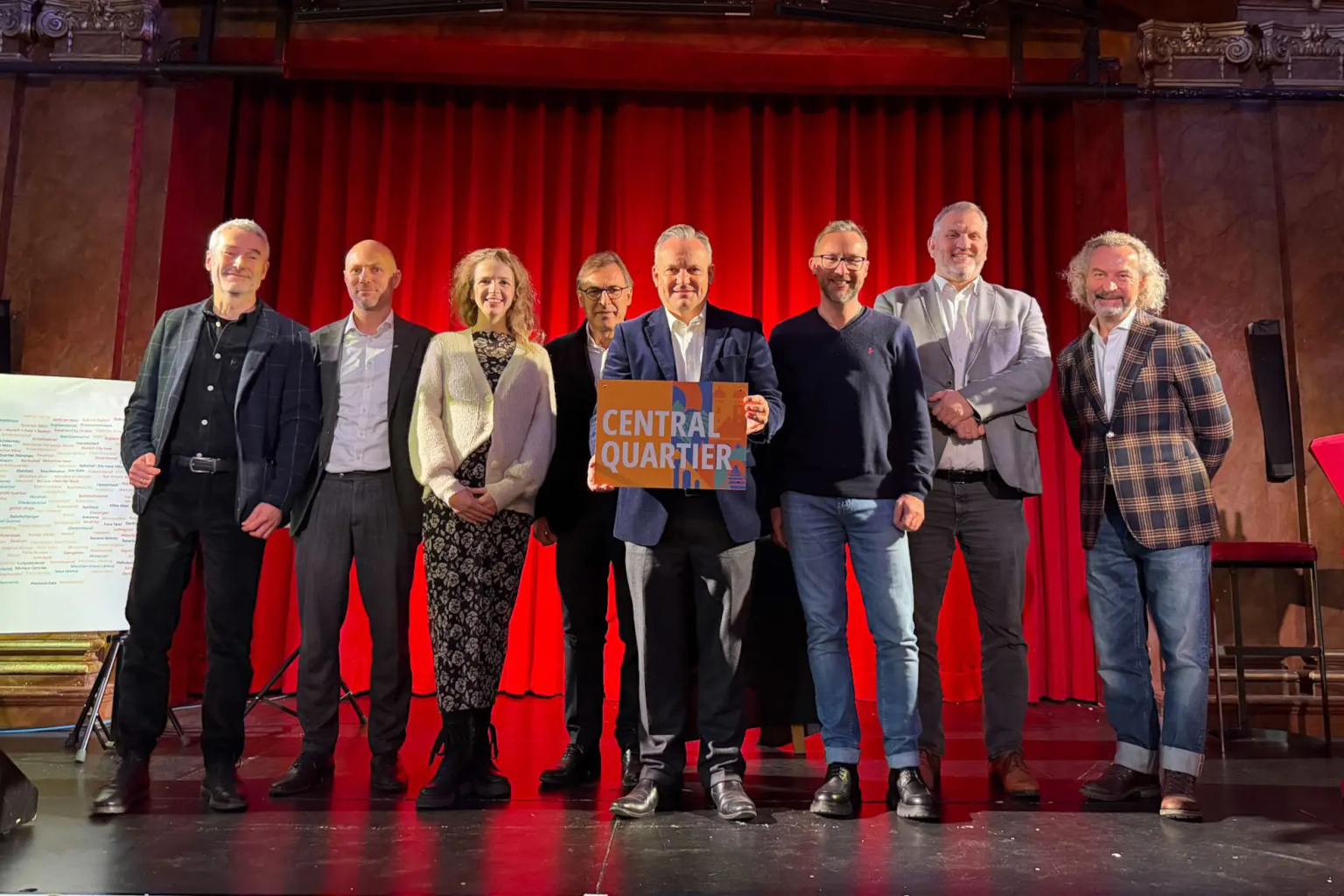
Key stakeholders in the district have joined forces through the “Zukunft Bahnhofsviertel” (Future Train Station District) initiative to highlight the area’s potential and shape a positive vision for its future. The new name “Central Quartier” was officially presented on 19 December 2025.

The name emerged from a broad participatory process involving over 600 Munich residents, with the final decision made by a nine-member interdisciplinary jury.

Photo, from left: Prof. Dr. Klaus Sailer (Munich University of Applied Sciences), Stefan Schillinger (ACCUMULATA), Marie Therese Kröger-Rahn (Department of Economic Development), Thomas Linsmayer (Deutsches Theater), Economic Councillor Dr. Christian Scharpf, Benoit Blaser (District Committee 2), Reinhard Sigel (Südliches Bahnhofsviertel e.V.), Prof. Matthias Ottmann (Urban Progress). 

A charter for a vibrant business district

The new name reflects a shared belief among district committee members, cultural actors, tenant associations, hoteliers, property owners, developers, restaurateurs, and local businesses: the area around Munich Central Station offers far more than the term “Bahnhofsviertel” suggests.

The new identity is designed to embrace ongoing changes and integrate mobility, work, culture, and international life in the city centre. It is a forward-looking identity, ready for the future.

The next steps for the initiative involve implementing projects and measures based on a voluntary charter, giving the new name lasting significance. The charter includes measures to improve safety, accessibility, and public space quality, such as:

  • transparent and inviting ground-floor spaces with gastronomy, culture, and retail
  • improved lighting in previously dark areas
  • green facades and rooftops to enhance the microclimate
  • creation of public spaces for people to linger
  • regular maintenance of adjacent public areas.

The goal is to showcase what the district is and aspires to be: a dynamic central business district with international companies, cultural diversity and a globally minded population.


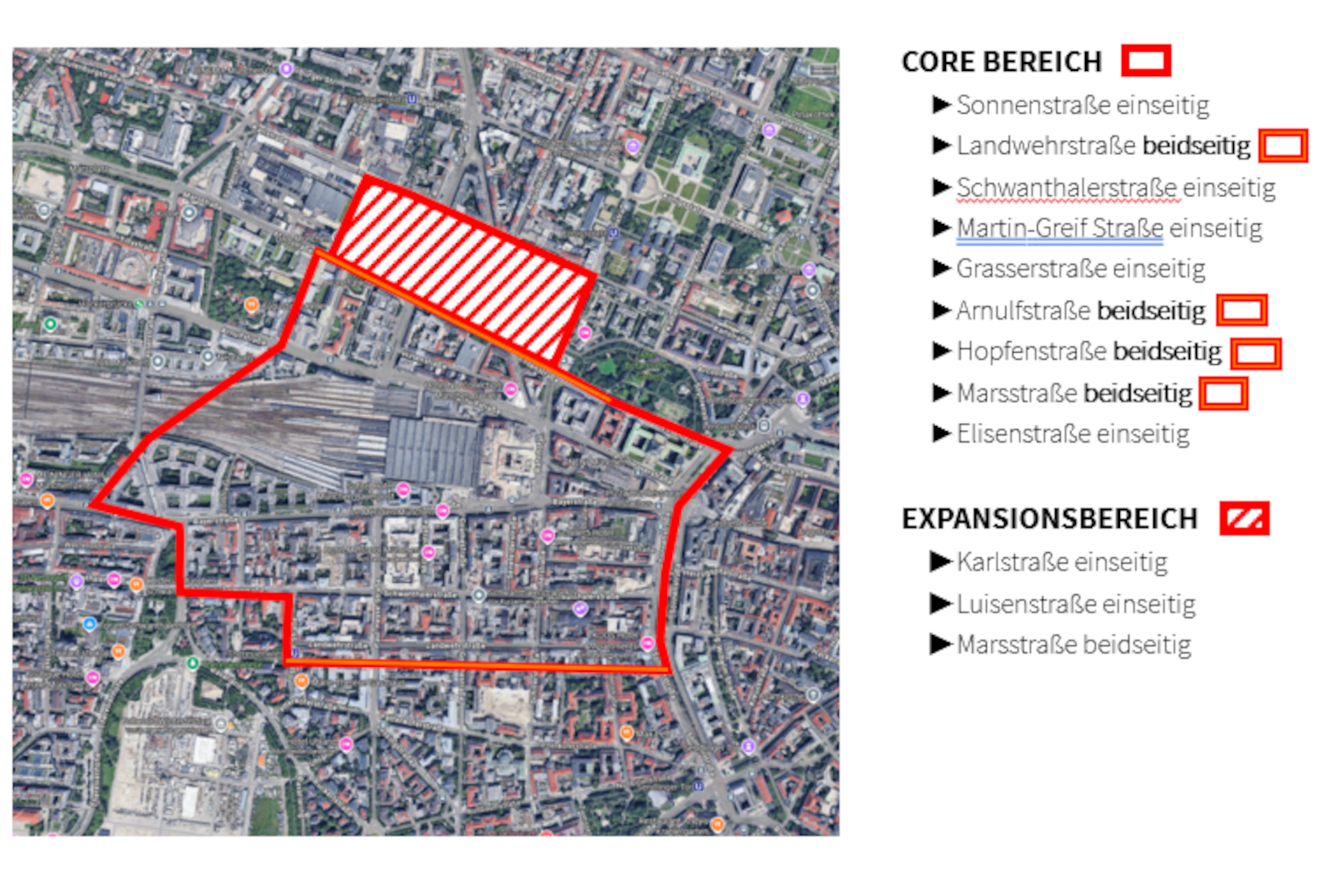
Preliminary visualization of Munich train station area. The “Central Quartier” map is currently being developed.

From Central Station to Central Quartier

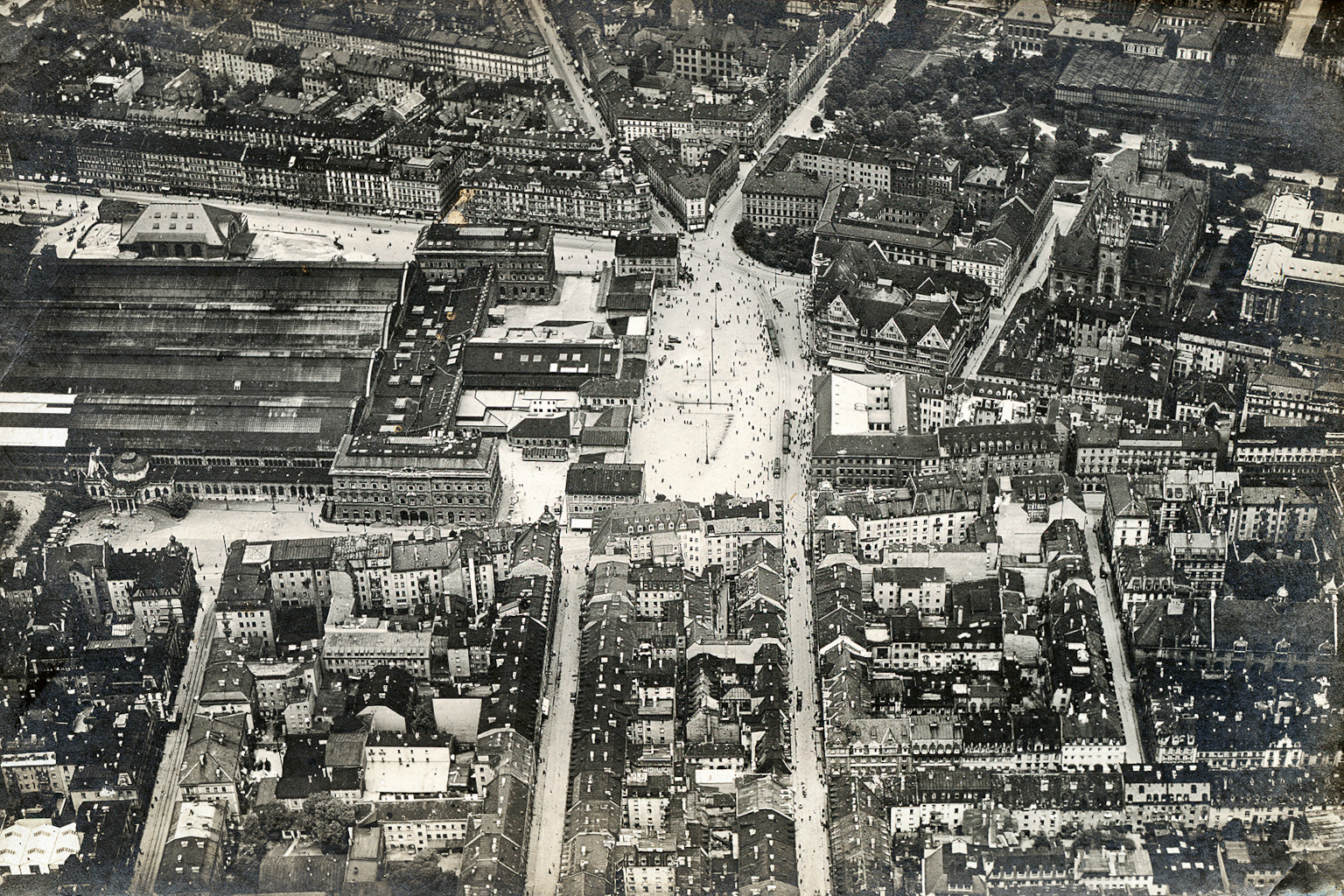
The name also connects to the district’s historical significance. During the naming event, city historian Franz Schiermeier explained that the area around the Centralbahnhof, which opened in 1849, originally became a new hub of urban life featuring hotels, theatres, variety shows, dance halls and promenades. Following its near-total destruction in World War II, the district's character was reshaped fundamentally during reconstruction.

The new name, 'Central Quartier' (with a 'C'), acknowledges the district's international character and the historic Central Station. It also connects to the modern concept of a quarter as a defined urban area with a strong identity, clearly distinguished from the neighbouring Wiesenviertel and Klinikviertel.

About the “Zukunft Bahnhofsviertel” initiative

The Future Train Station District initiative emerged from research projects at TUM and unites companies and stakeholders in the district. It brings together representatives from civil society, research and education institutions, cultural organizations (e.g., Deutsches Theater, Theater Kulturklub), associations (e.g., Südliches Bahnhofsviertel e.V.), hotels (e.g., DEHOGA), real estate, gastronomy, and retail. The initiative’s goal is a sustainable transformation of the district, benefiting the entire urban community.