City of Munich's new research and innovation report

The publication highlights innovations and new technologies for urban products, services, and processes that were implemented by the City administration in 2025.


News for the city and its residents

With the “2026 Research and Innovation Report of the City of Munich,” the Department of Labor and Economic Development has once again presented a comprehensive overview of significant research and innovation projects. This 16th edition offers a valuable overview of innovative municipal products, services, and processes that were initiated and implemented by the city administration over the past year. It also presents research projects that precede these innovation initiatives or support their implementation.

In addition to strengthening Munich as a hub for innovation, the primary goals of these measures are the continuous, forward-looking improvement of offerings and services for our citizens and businesses. The report reflects the diversity of the city’s innovation efforts and illustrates how the City of Munich is addressing the challenges of the future.

Advancing digitalization in City administration

Digitalization is often equated with innovation. However, even though innovation encompasses more than “just” digitalization projects, the digitalization section highlights how the city administration is further developing its digital services. One example is the “Software Check,” which makes digital sovereignty measurable, as well as the Zammad ticketing system, which provides citizens with transparency regarding their online applications. In addition, artificial intelligence is being used to facilitate access to municipal services.

Smart city Munich

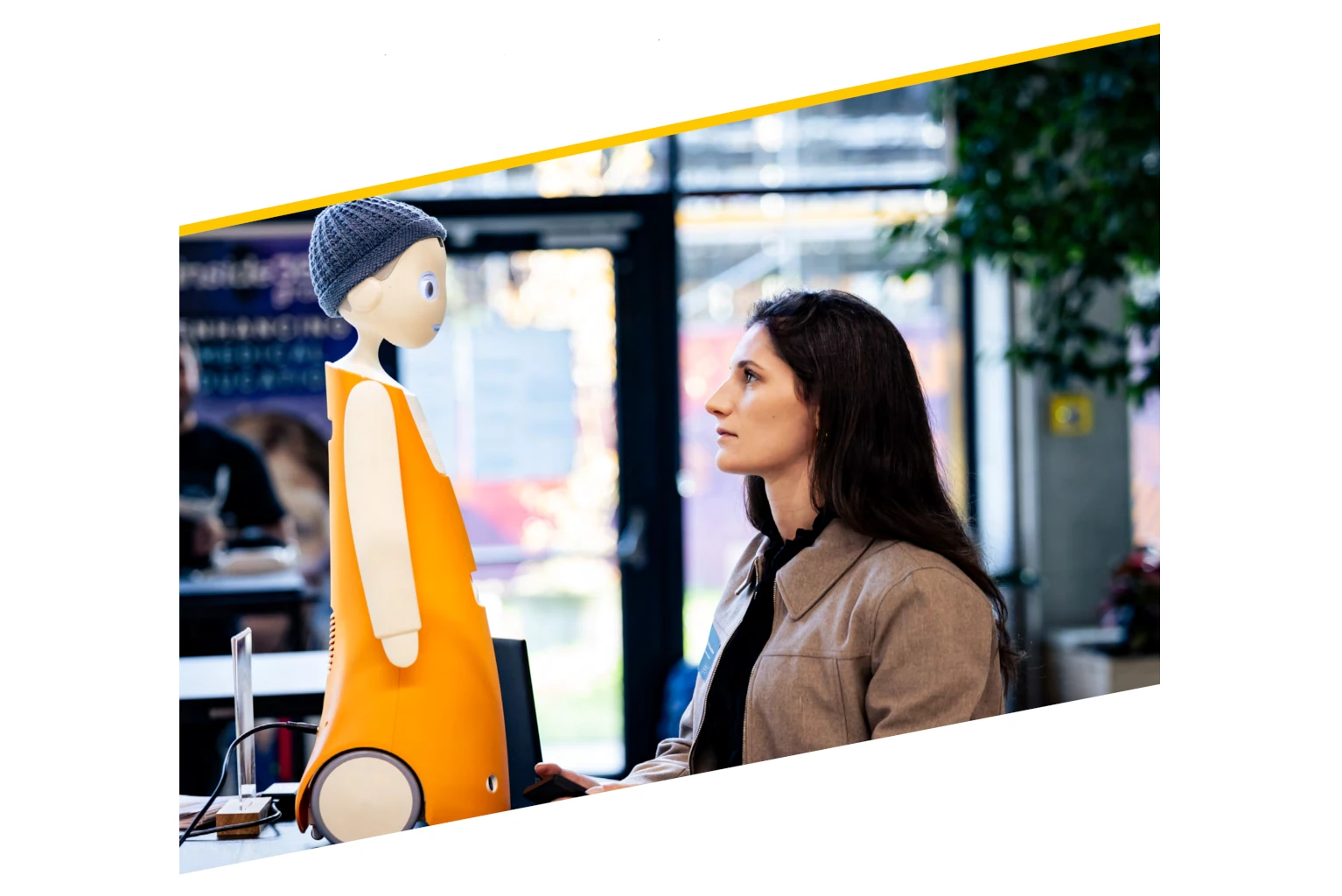
To transform Munich into the smart city of the future, the City of Munich is providing a wide range of initiatives to foster the development of innovative solutions. The Smart City section presents, among other things, several initiatives based on Munich’s Digital Twin, which aggregates urban data and enables analyses and simulations. Projects such as the City’s innovation competition and the use of robotics and sensor technology also demonstrate the approaches and technologies the city is employing to make processes more efficient and resource-efficient.

Diverse innovation ecosystem

New this year is the chapter “Innovation Ecosystems,” which highlights the importance of collaboration between government, businesses, universities, research institutions, creative professionals, and other stakeholders. Initiatives such as the Tumblinger Creative Hub and the City Demo Day foster networking and provide a space for new ideas to emerge through exchange.

A city for everyone

Participation is a key priority for the city administration. The chapter on Urban Society and Inclusion presents a wide range of measures that actively involve citizens in urban development and enable them to participate in city life. These initiatives range from the Citizens’ Council to the participatory approach taken in the “Sichtbar” study on the living conditions of people with mental health challenges in Munich.

Future-oriented mobility initiatives

In the area of mobility, innovative approaches to promoting sustainable mobility are being presented. Projects such as MobiPionier aim to positively influence citizens’ mobility behavior. At the same time, the goal is to enhance the quality of life in public spaces, in part through more environmentally friendly solutions for last-mile freight transport, which are being researched in the EU project metaCCAZE. In addition, the report highlights, for example, current tests involving various autonomous vehicles for local transportation.

Sustainability and the environment

To achieve the City’s climate protection goals, the report outlines numerous initiatives to promote sustainability and environmental protection. These include the development of a building materials exchange and the Zero Waste Innovation Hub, which support businesses and residents in acting in an energy- and resource-efficient manner in line with the principles of a circular economy. Measures are also being developed to respond effectively to changes in the urban climate—such as the EU project “MARGIN” on groundwater—and to raise awareness of the importance of nature in the city, as in the research project “CitySoundscapes.

The 2026 report

The 2026 Research and Innovation report thus offers a comprehensive insight into the dedicated work of the City’s departments, municipal enterprises, and affiliated companies, and demonstrates how Munich is taking a forward-looking approach. Munich’s citizens are invited to actively participate in these transformation processes and to play an active role in shaping their city.

You can download the 2026 Research and Innovation report (German version) here.

Alternatively, you can order a printed copy by emailing Frieke Meijer-Schepman.