The "Food Startup Campus" – A hub for Munich's food startups

The "Food Startup Campus" will take place on April 21 at Munich University of Applied Sciences. It showcases Munich’s dynamic food scene, incubators, and networks.

Networking and expertise

The “Food Startup Campus” is taking place for the sixth time—it began as an online event, later moved to Freising, and is now being held in Munich for the first time. This is where the entire food ecosystem comes together: founders, companies, investors, and anyone passionate about food innovation.

Munich has developed into a dynamic hub for food innovation. The organizers aim to strengthen this development and connect food startups with the right partners, resources, and contacts to help them get started and accelerate their growth.

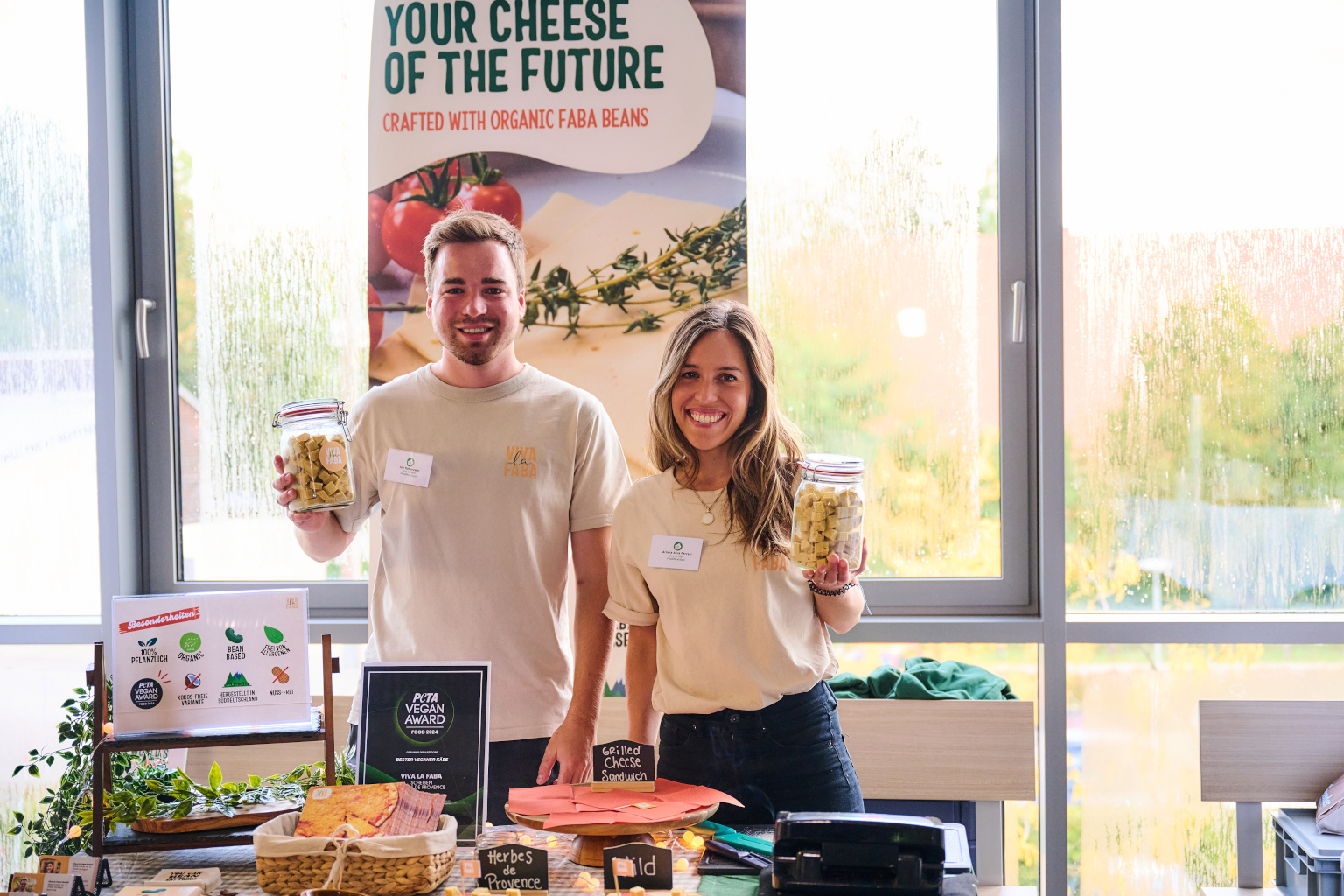
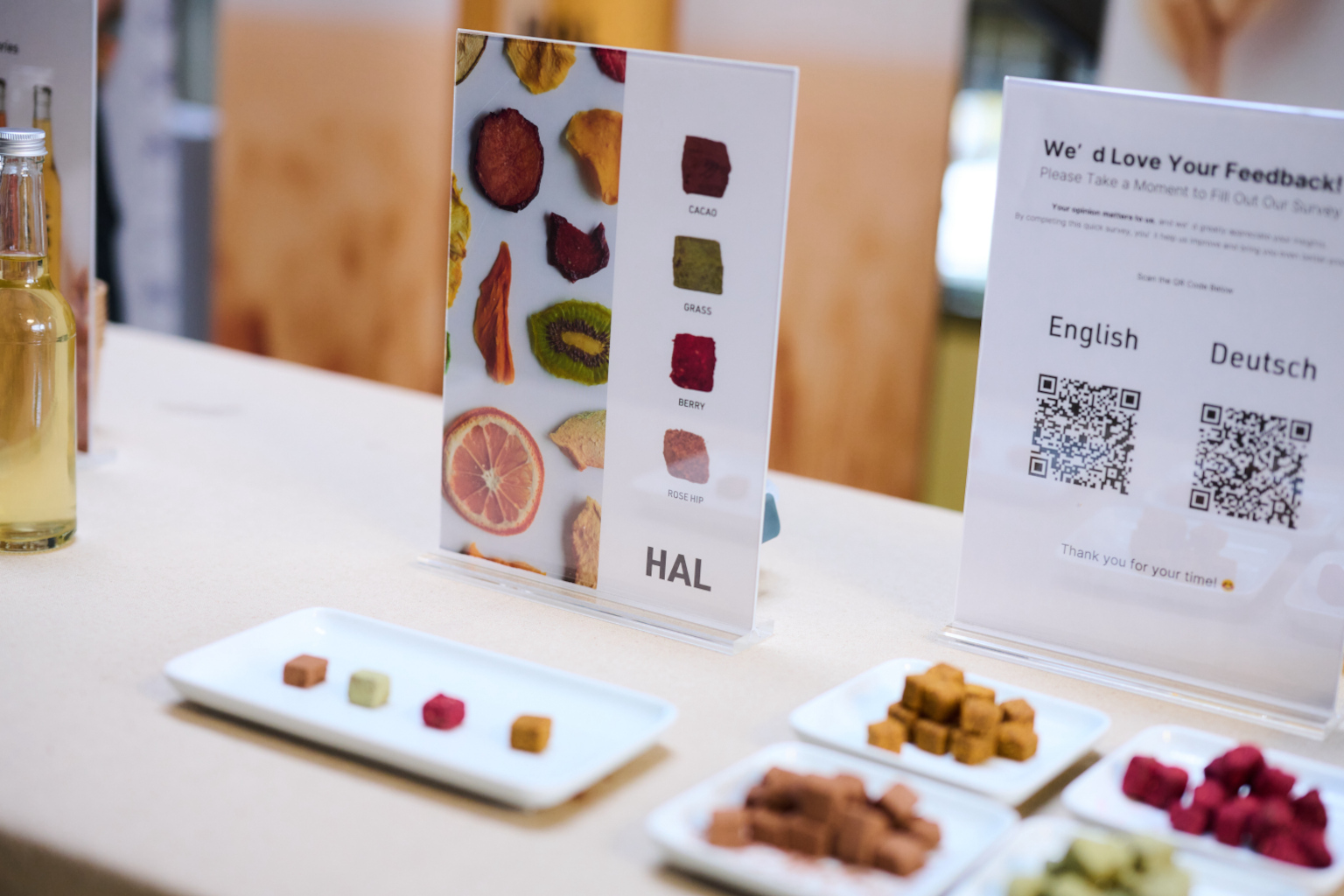
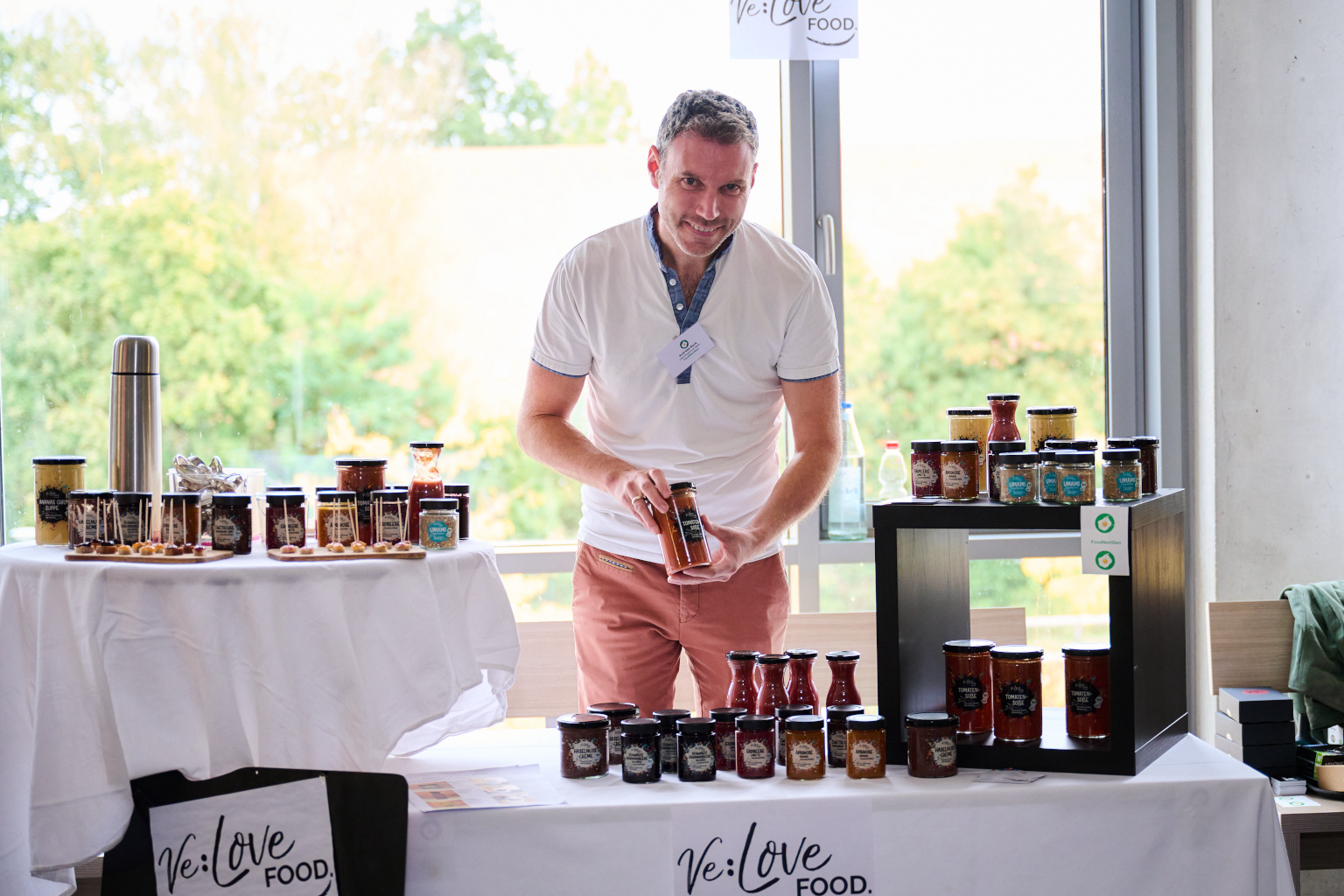
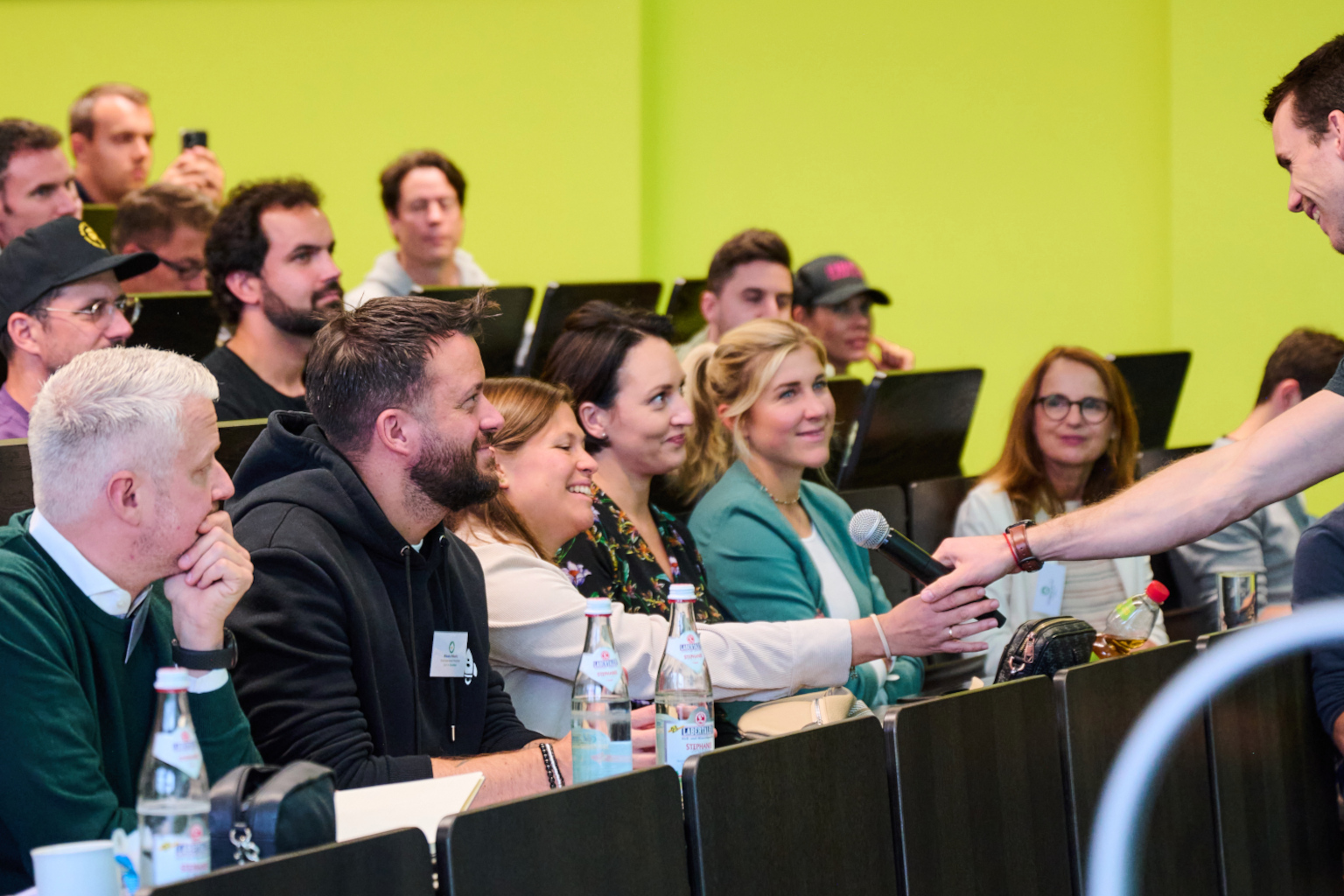
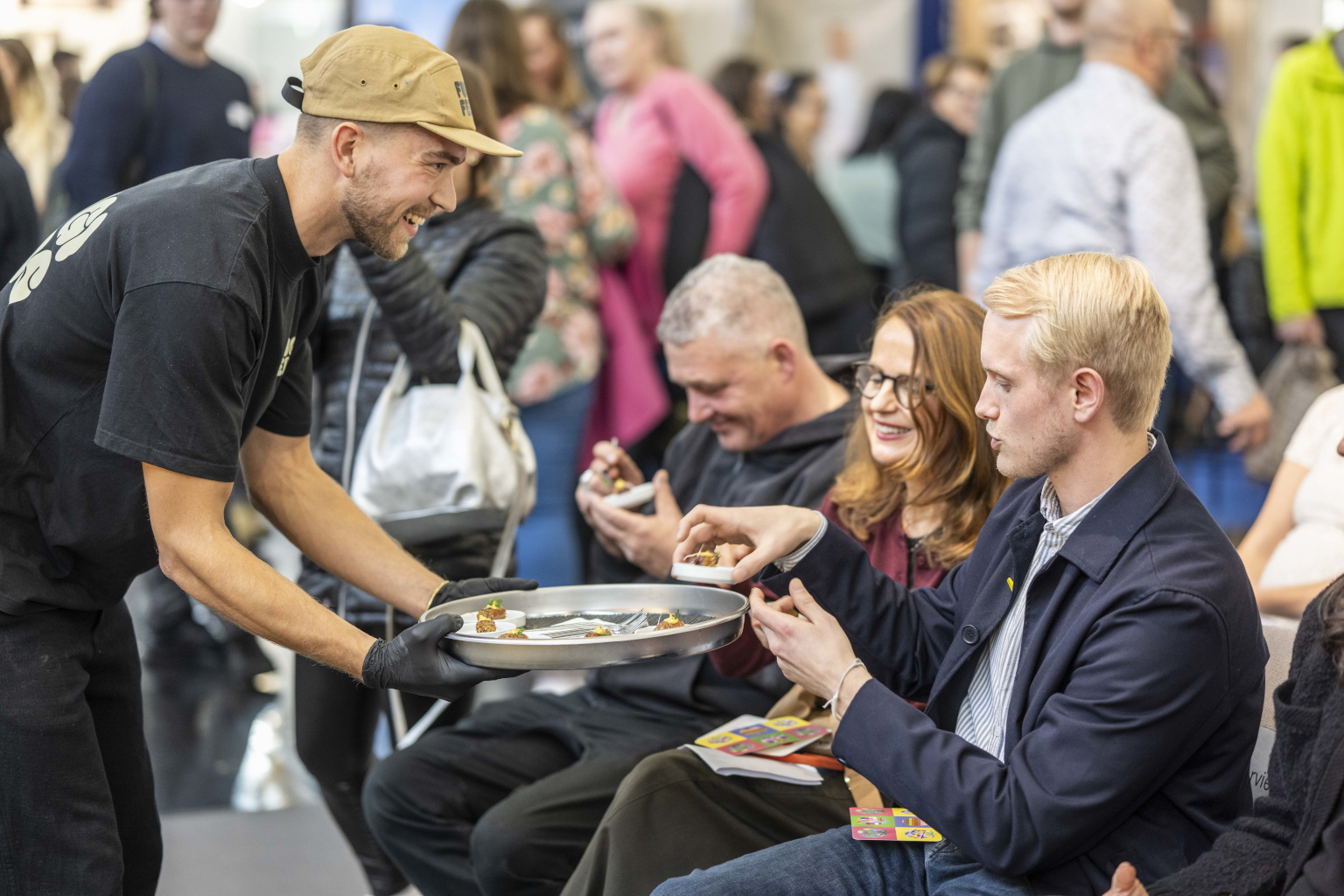
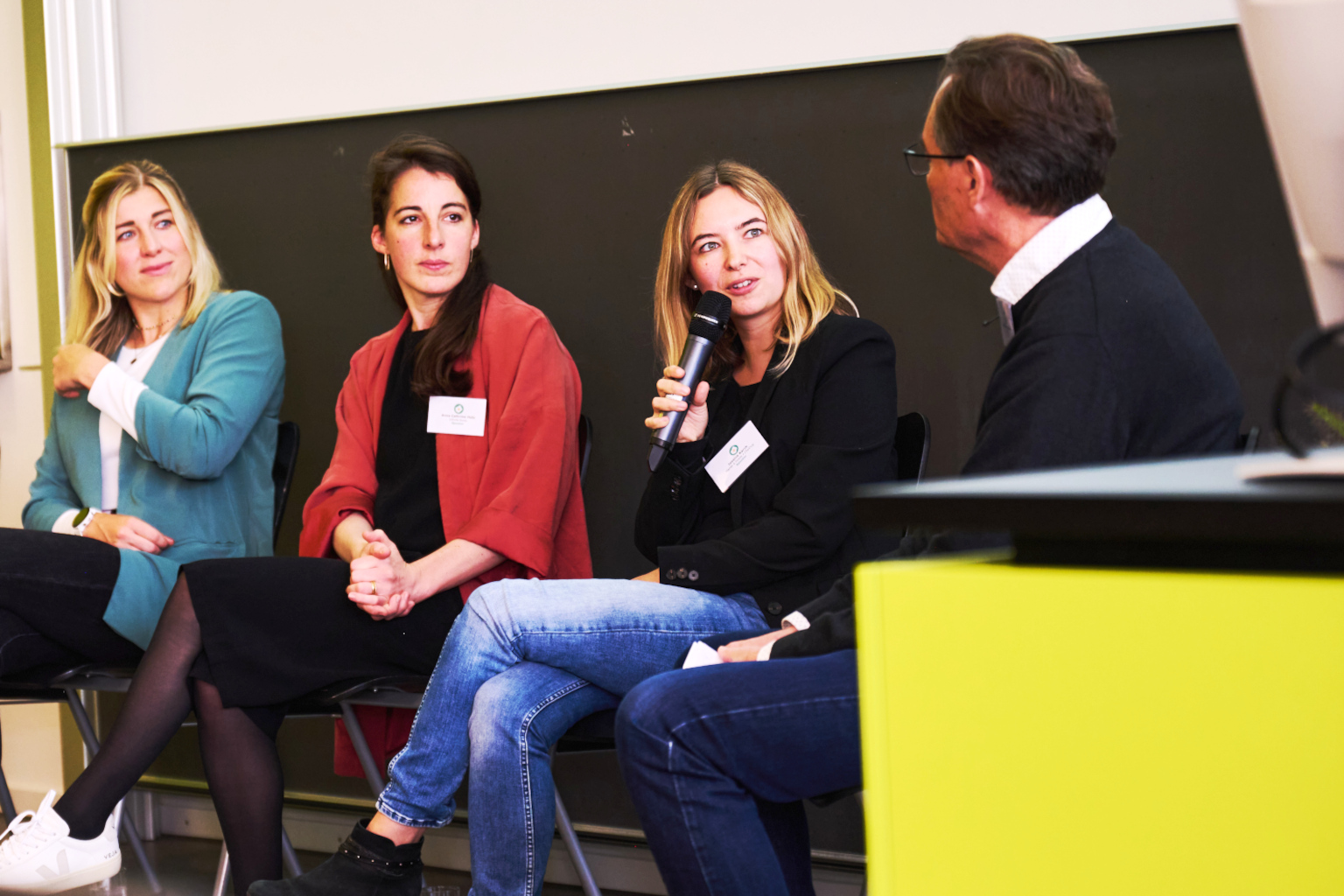
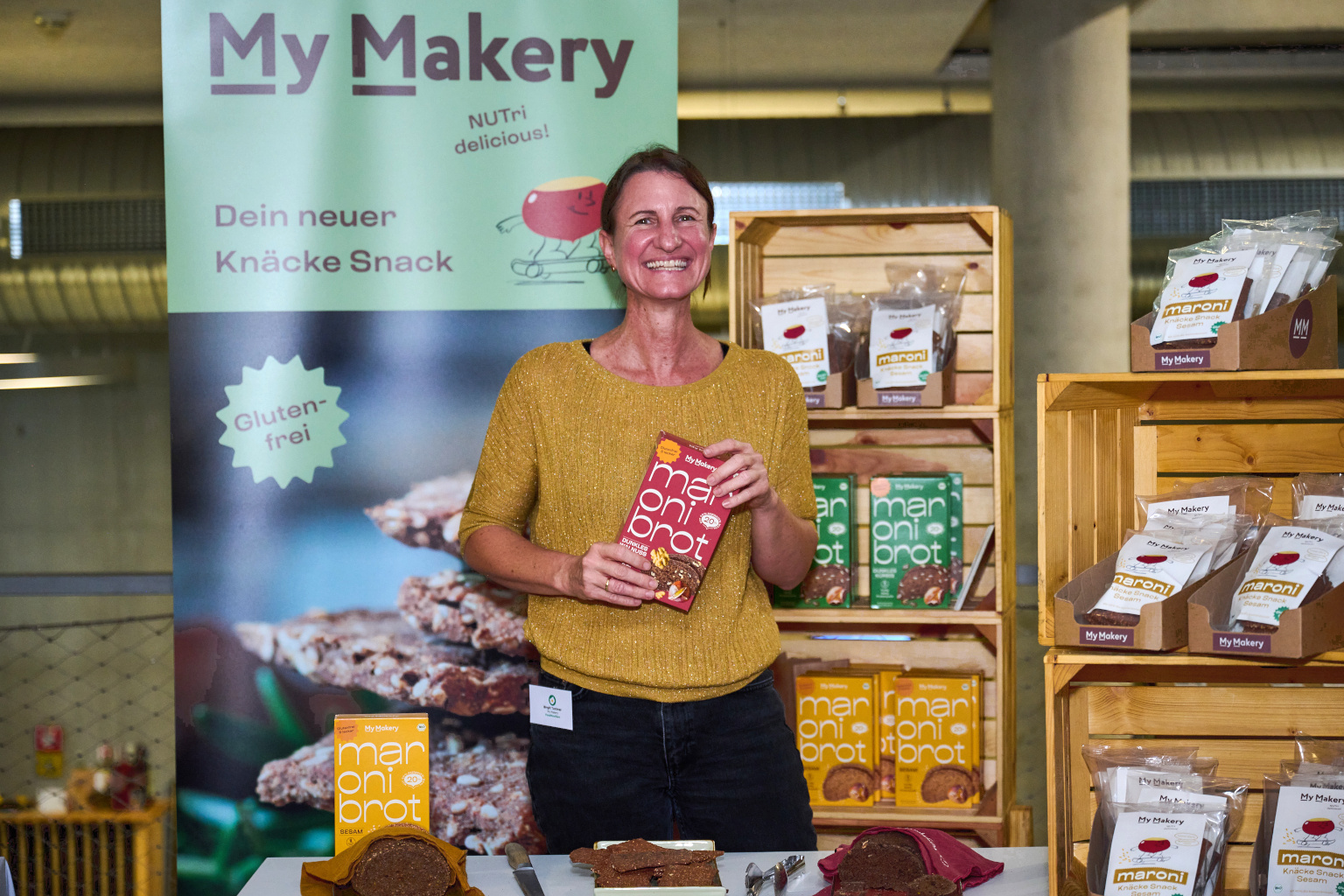
Food Startup Campus – a packed day featuring panels, talks, the FoodNextGen Pitch, and an exhibition area for startups and business partners

When: Tuesday, April 21, 2026 

Where: Lothstraße 64, 80335 Munich

For some time now, there has been growing demand for innovative food concepts, even though the current economic climate is somewhat dampening the willingness of startups and customers to experiment.

Major trends continue to be meat alternatives (alternative proteins) and alternatives to coffee and cocoa, which are becoming more expensive due to climate change and high demand. Sustainability and fair supply chains also remain relevant, as do sustainable packaging, energy efficiency in production, and climate-friendly farming methods. New additions include nutrient optimization and personalized nutrition—for example, in the form of “nutraceuticals”—the combination of nutrition and health promotion through probiotics or plant extracts.

Across all value chains, the topics of digitalization and AI are playing an increasingly important role—from product development through production to retail—for instance, to reduce food waste and conserve valuable resources.

Munich Stars and newcomers

Here are a few startups from Munich that have gained some recognition and a presence in the retail market and are bringing exciting new food ideas to the table (selection): 

  • Air Up - Success straight from the university – the journey of the Munich-based company Air Up (BayStartUP report, Dec. 17, 2025)
  • dean&david  - Fresh fast food, interview with founder David Baumgartner 
  • Djoon  - Date pralines and chocolate, which initially also received crowdfunding support from the city
  • kooray  - Organic Thai curry sauces – winner of the BIOFACH Start-up Award 2025, interview with founder Kevin Hornik
  • YFoods  - Ready-to-go drinks, founders Ben Kremer and Noël Bollmann
  • Gustavo Gusto  - Podcast with Christoph Schramm and Michael Götz on building the successful brand
  • Greenforce
  • 3 bears
  • pumpkin organics

Interview

The organizers of the Food Startup Campus, Christine Purnell and Walther Bruckschen, shared their insights with us on market potential, trends, and the qualities that are particularly important for food entrepreneurs. 

mb: How do you currently assess the potential for startups in the food sector (food/processing industry)? Where are new business ideas and products emerging in this area?

Walther Bruckschen: “From our perspective, the high level of innovation in the food sector is being confirmed, even though market conditions have changed noticeably. The current subdued consumer sentiment means that new products must differentiate themselves more strongly through clearly recognizable added value.

This is particularly evident in the functional foods and beverages sector, which specifically focuses on additional value propositions such as energy, focus, or nutritional optimization. Here, we are seeing a shift toward products that are not merely consumed but are consciously used to support performance and well-being.

At the same time, we are observing further development in the segment of alternative raw materials and protein sources. In addition to traditional plant-based alternatives, innovative approaches such as fermentation, mushroom-based products, and upcycling are gaining importance and expanding the range of sustainable solutions.

Another clear trend is the increasing premiumization in the non-alcoholic beverage sector and so-called “adult soft drinks.” These products cater to the need for enjoyment and rituals without consuming alcohol and are increasingly positioning themselves in the premium segment.

Furthermore, it is becoming evident that convenience and quality are increasingly being considered together. Ready-to-drink and ready-to-eat concepts are evolving toward high-quality, health-oriented solutions for everyday life.”

mb: What sets particularly successful founders in the food industry apart?

Christine Purnell: "In our view, founders in the food industry must possess a high degree of operational resilience. They are forced early on to test their products through direct market engagement—whether at trade shows, events, or through direct sales—and thus receive continuous feedback from end customers.

This proximity to the market requires not only adaptability but also a willingness to learn quickly and iteratively refine concepts.

At the same time, significant organizational demands arise even in the early stages. As demand grows, many food startups need additional support on short notice, often in the form of temporary staff or temporary teams. This means that founders must learn early on to work with a wide variety of stakeholders, coordinate tasks, and delegate responsibility.

Overall, it becomes clear that, in addition to product conviction and passion, the ability to operate under high complexity and simultaneously drive sales, production, and team building is particularly important."


 

Munich’s food ecosystem

The Munich Food Hub brings together key players to create an important platform for exchange and collaboration. These organizations and incubators are cooperation partners:

  •     FSIWS Food Startup Incubator Weihenstephan: Infrastructure and production facilities, professional development
  •     DICA Dynamic Innovation Campus Drinks & Food Tech: Co-creation with established companies in the beverage industry
  •     REWE Startup Lounge: Launched in Munich; the program has since been rolled out nationally for test listings in selected stores
  •     AgiFood Hub: Central platform for promoting innovation, collaboration, and business creation in the agriculture and food sector
  •     StartinFOOD: Consulting agency for food startups, providing support with concept development, market entry, financing, and network building

The Department of Labor and Economic Affairs is a partner in the Munich Food Hub and supports the Food Startup Campus 2026.